eProd Bioreactor SU
Single use double purpose Bioreactor
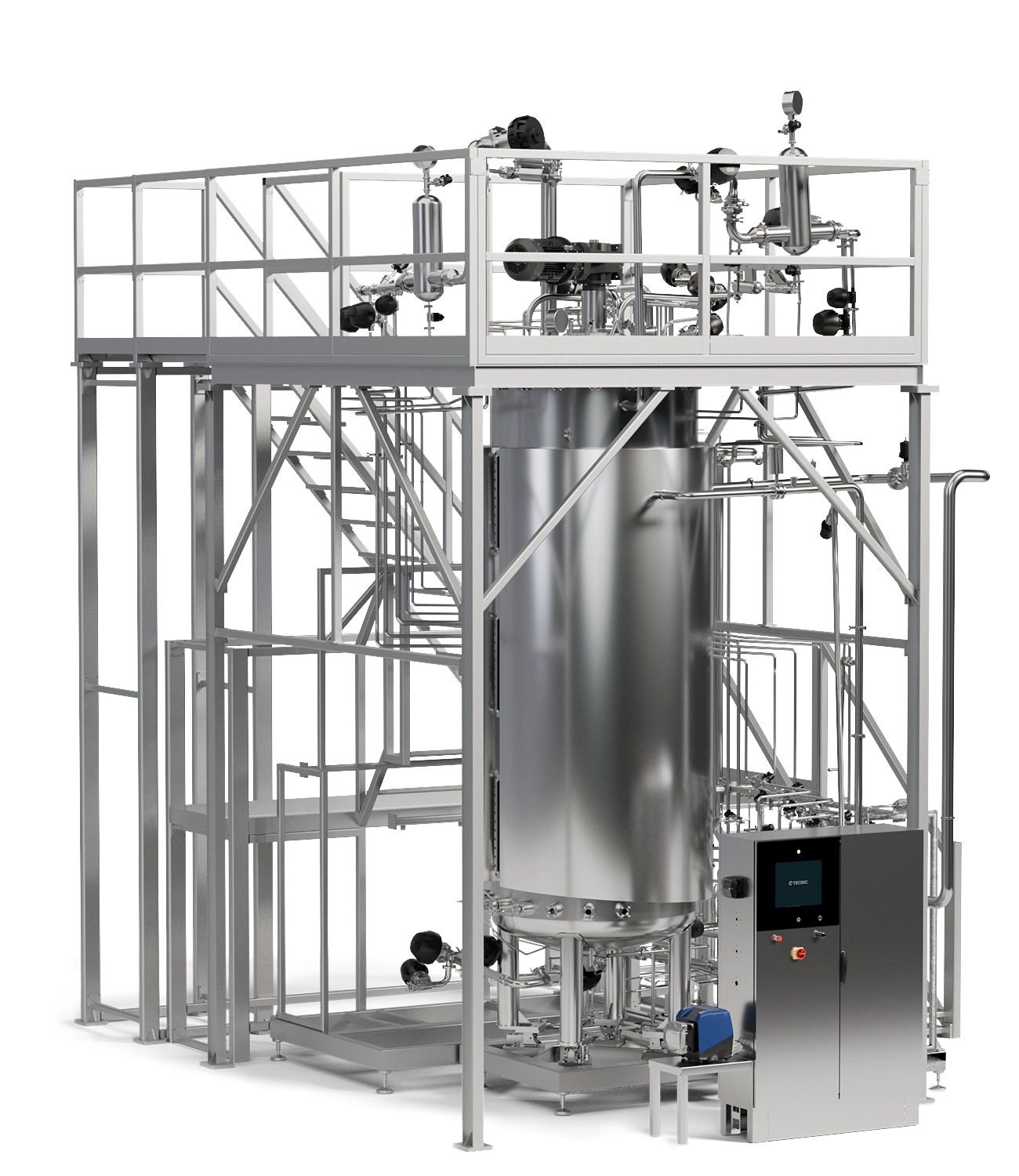
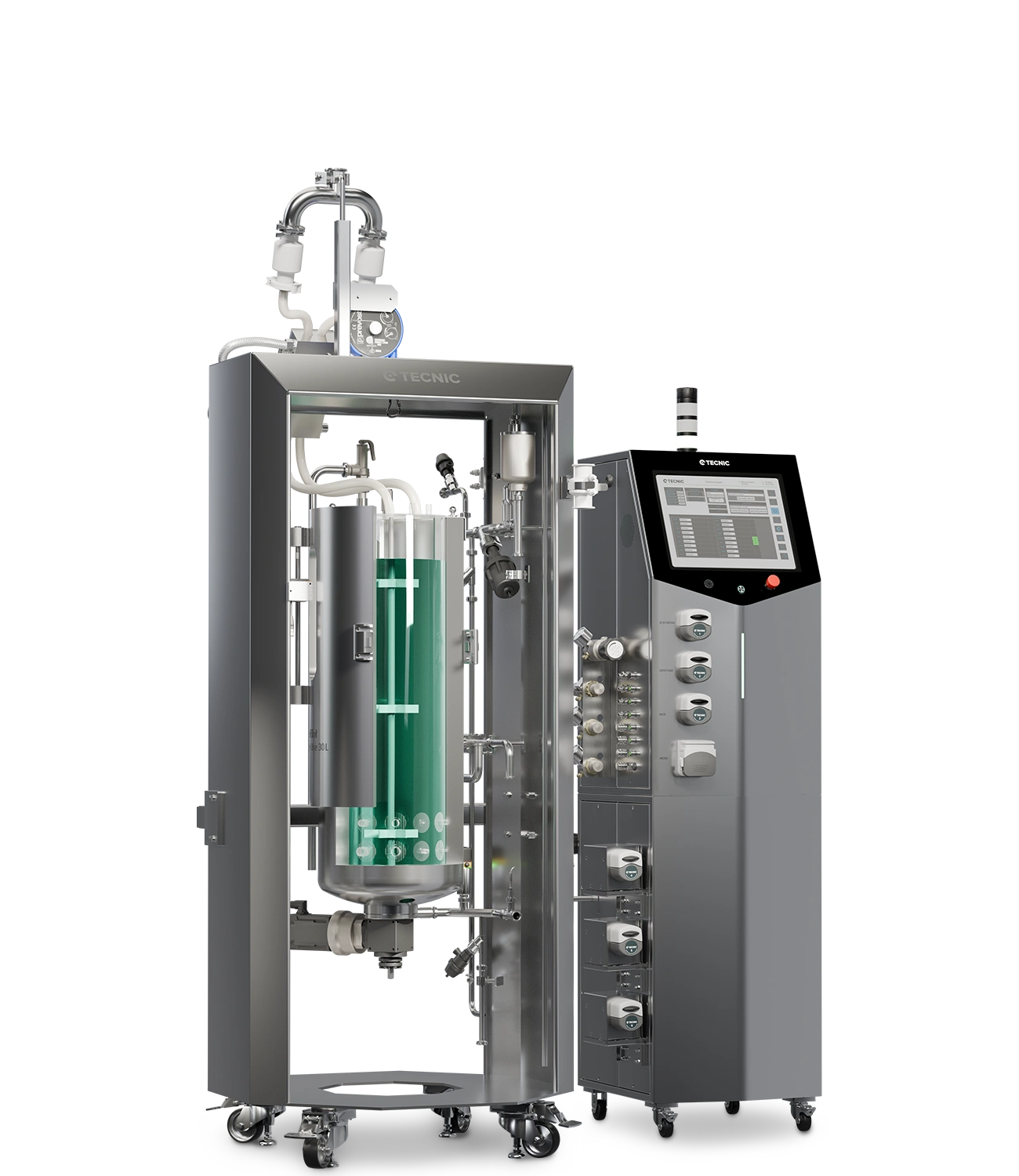
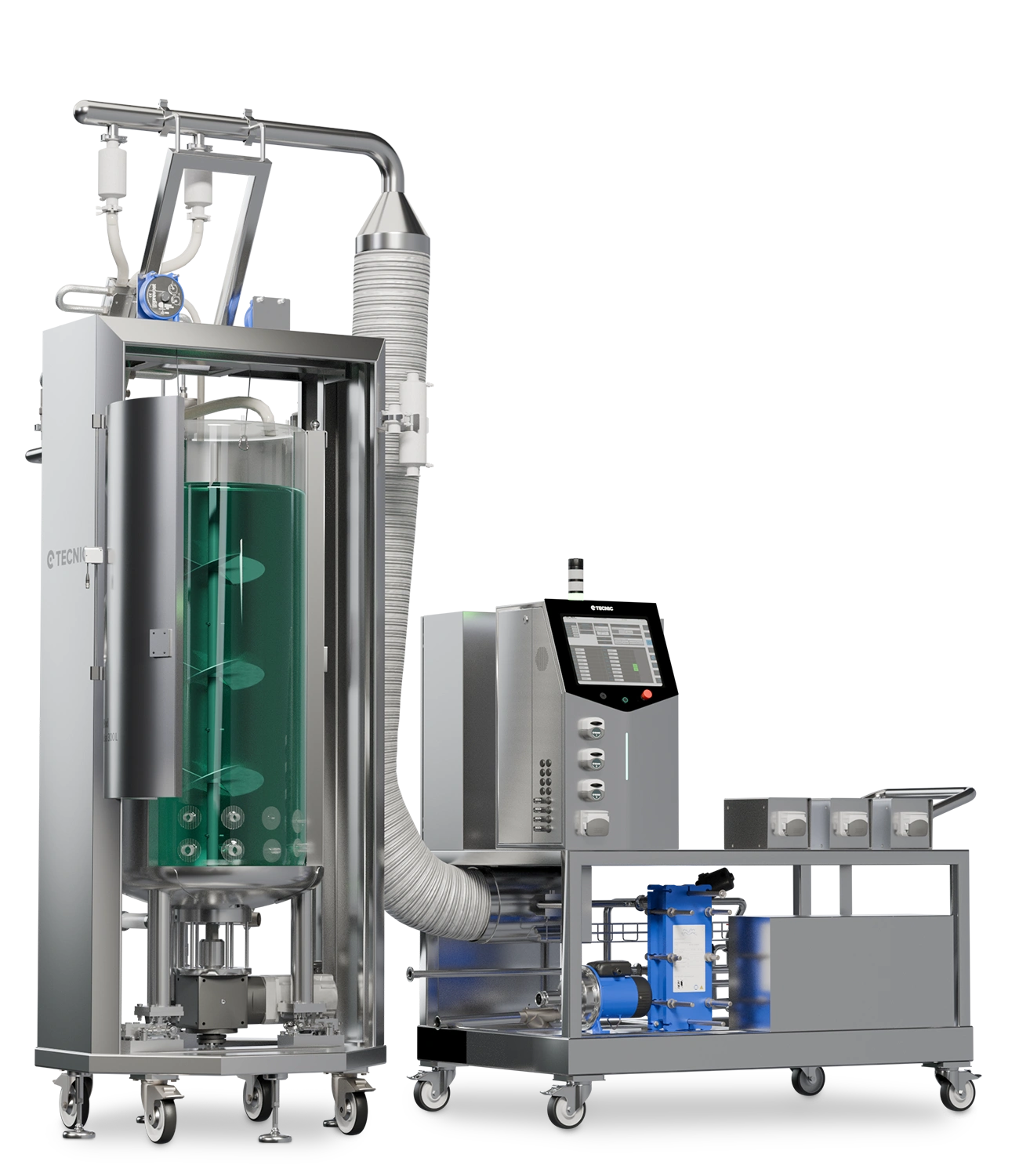
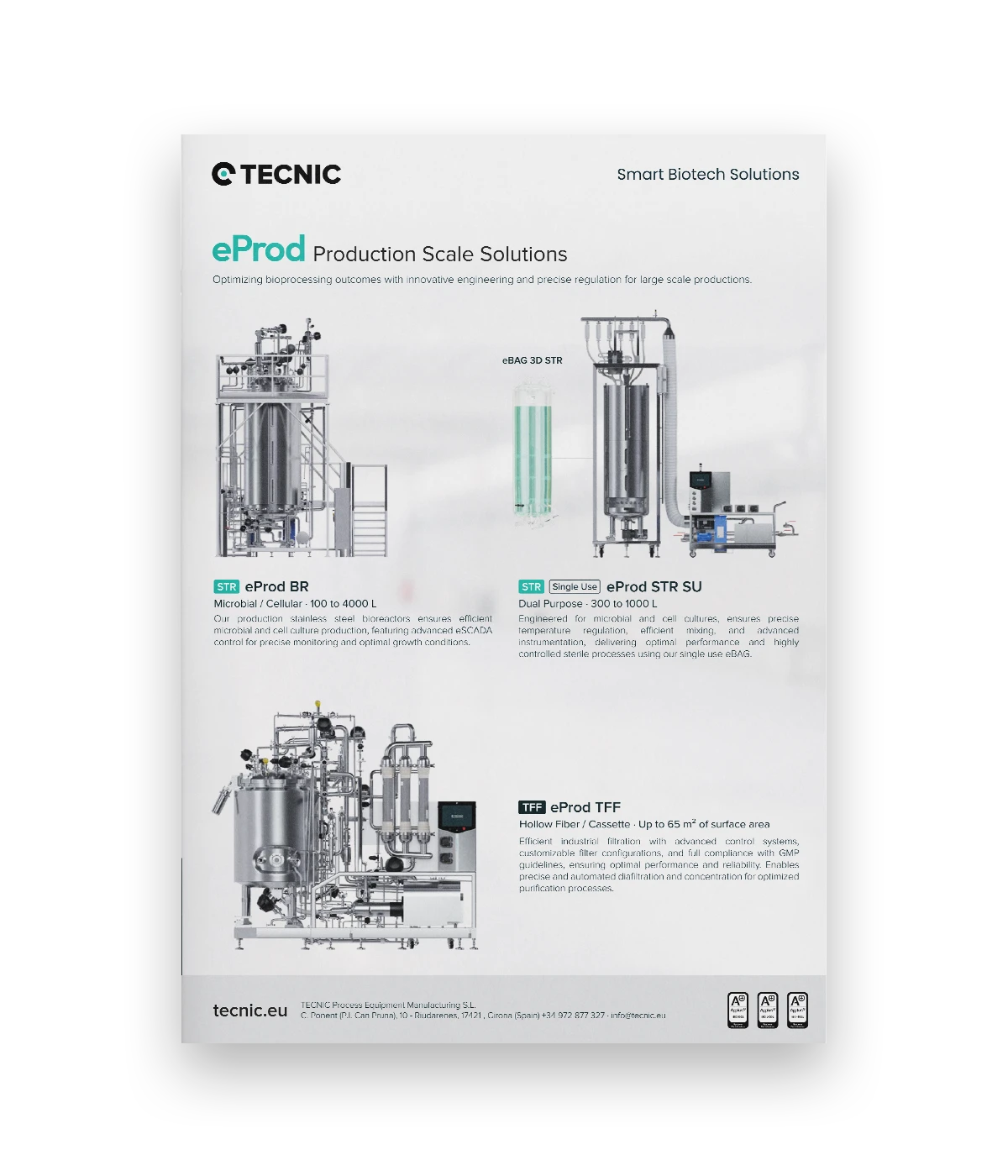
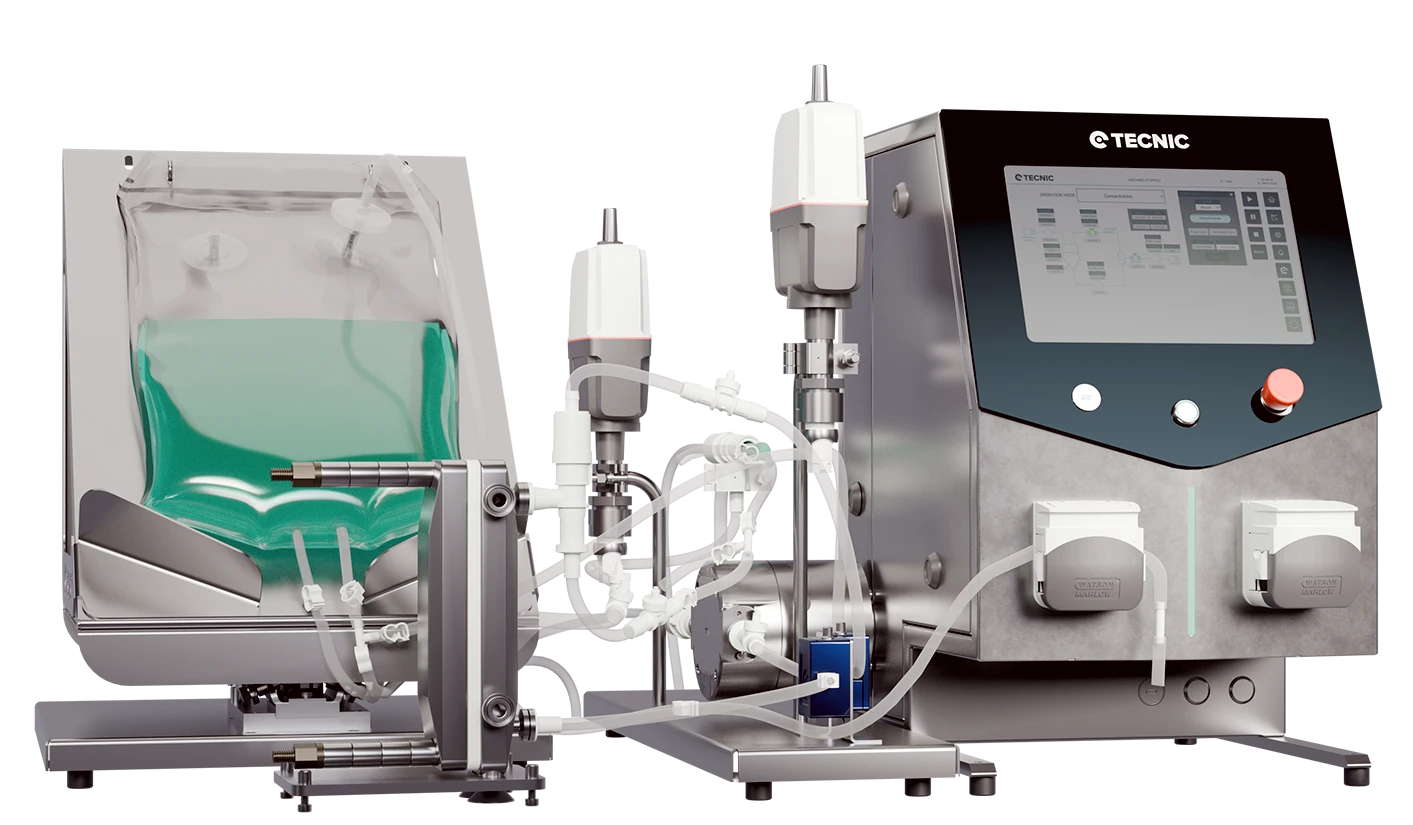
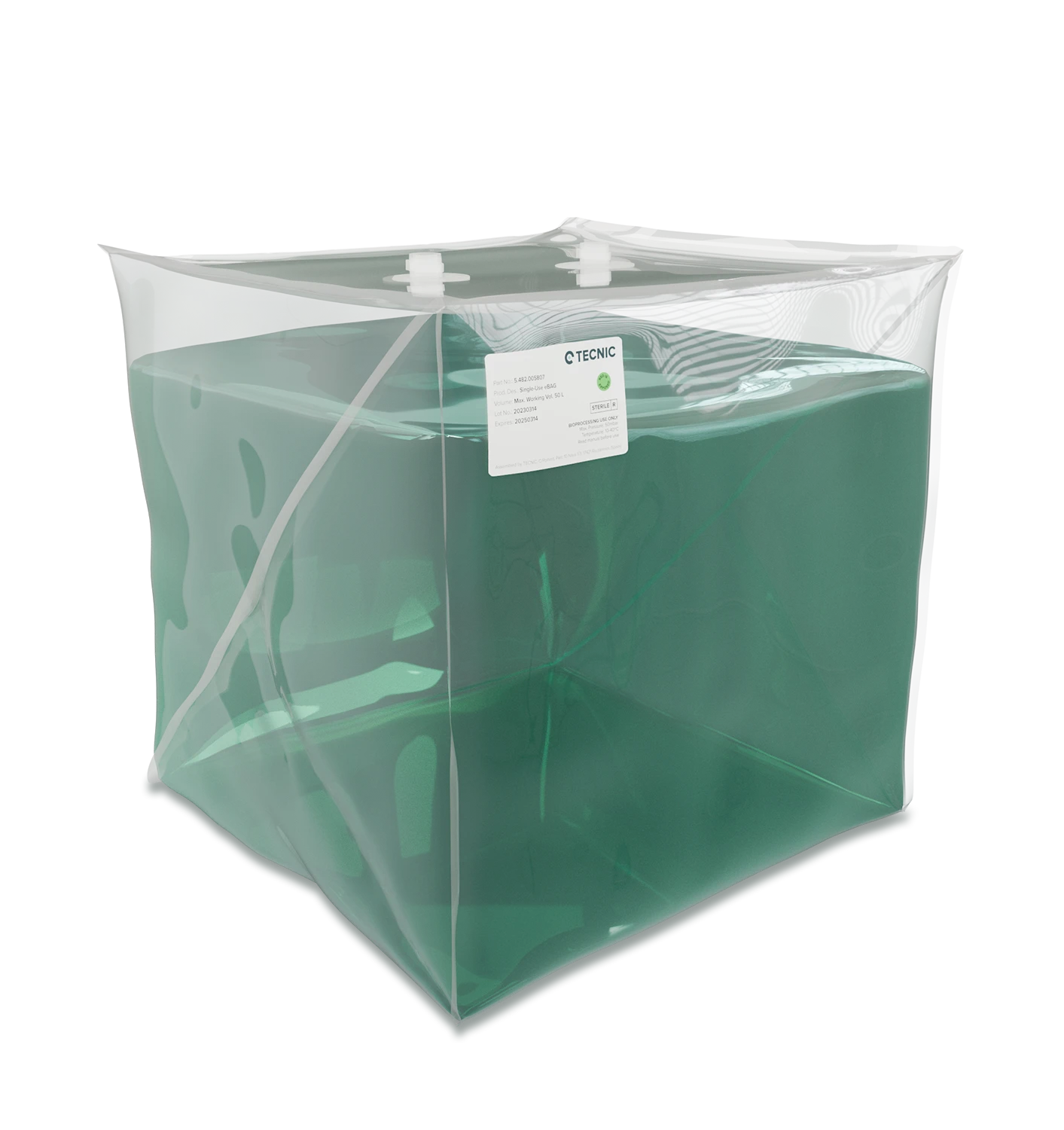
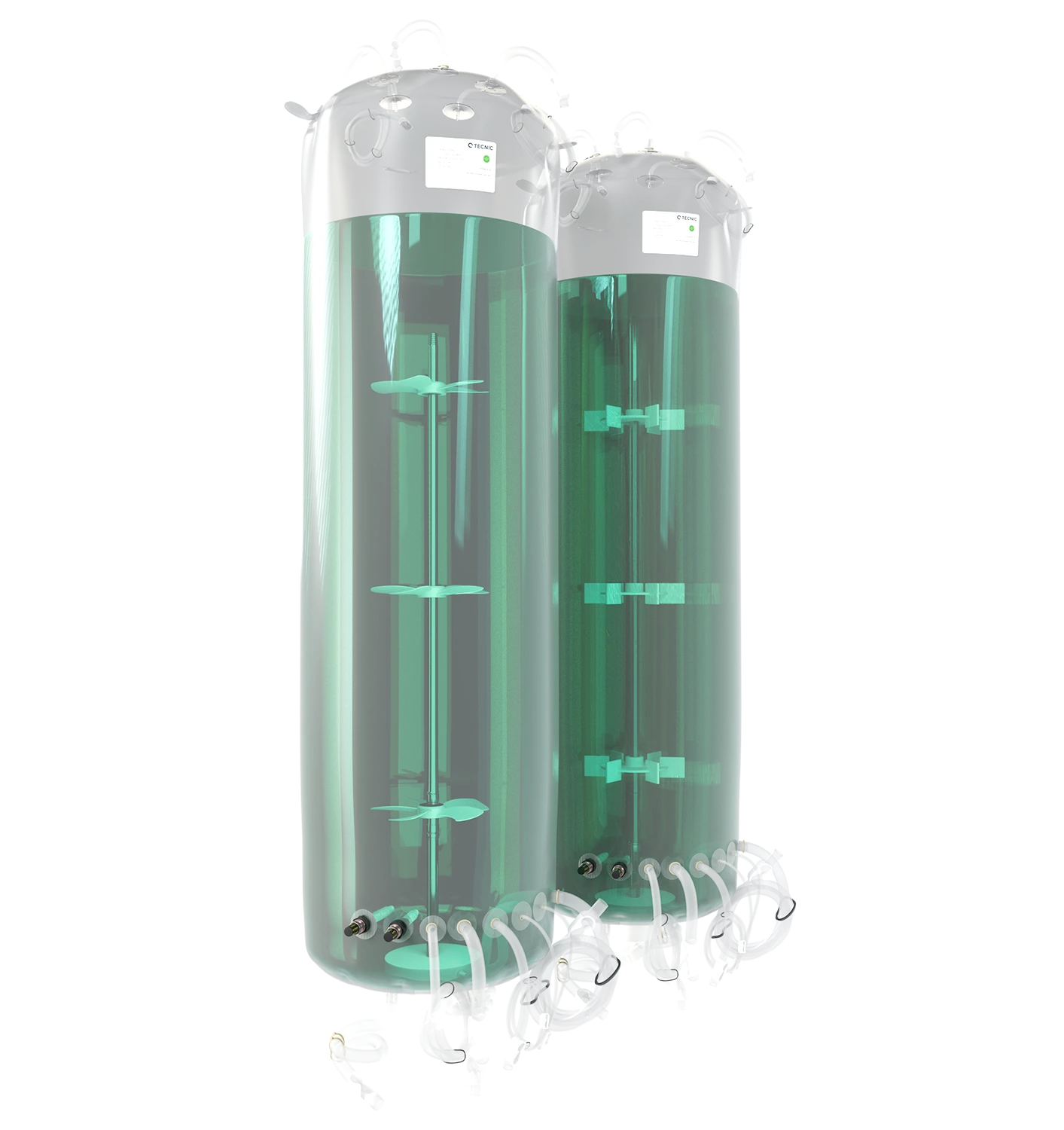
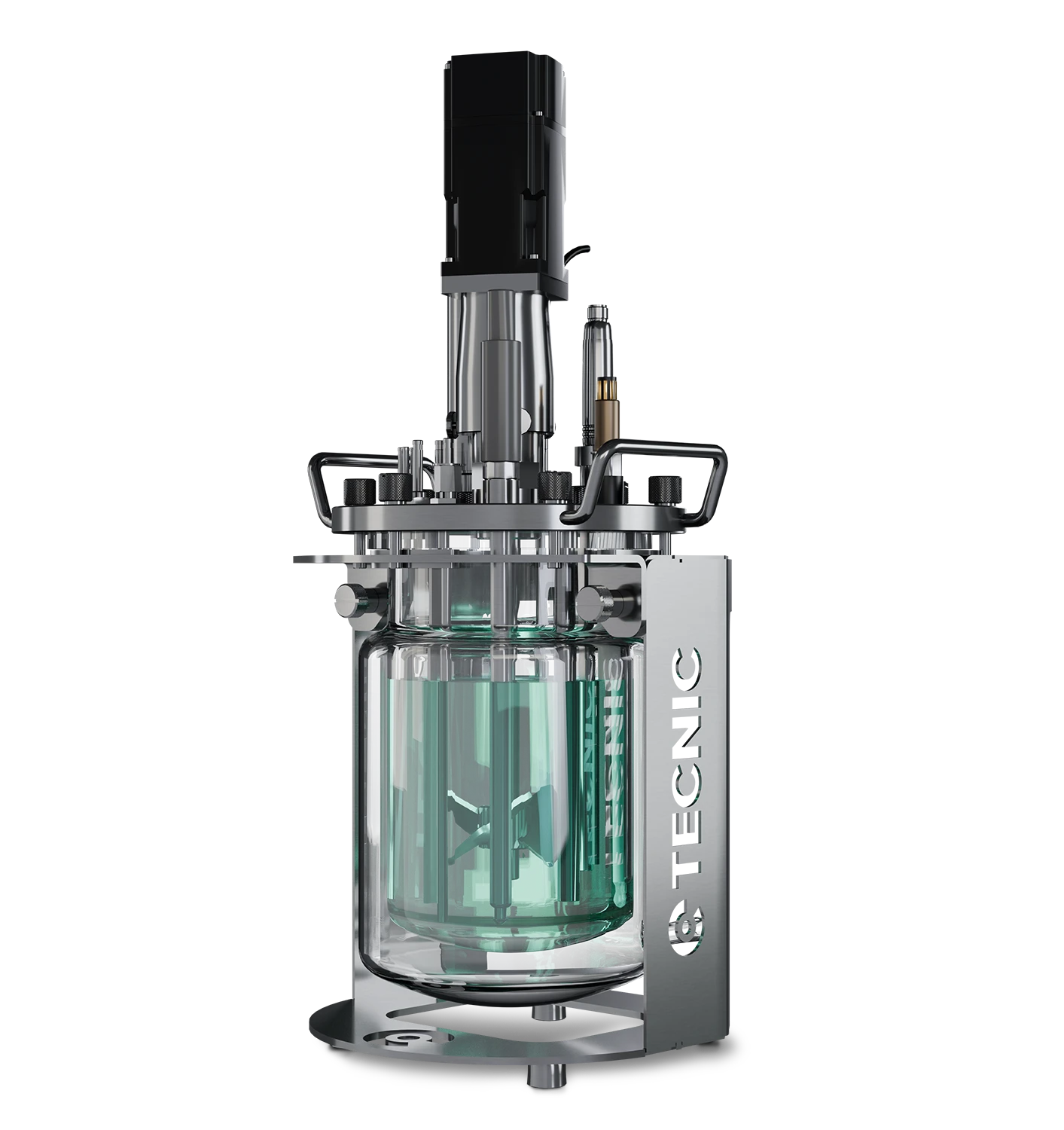
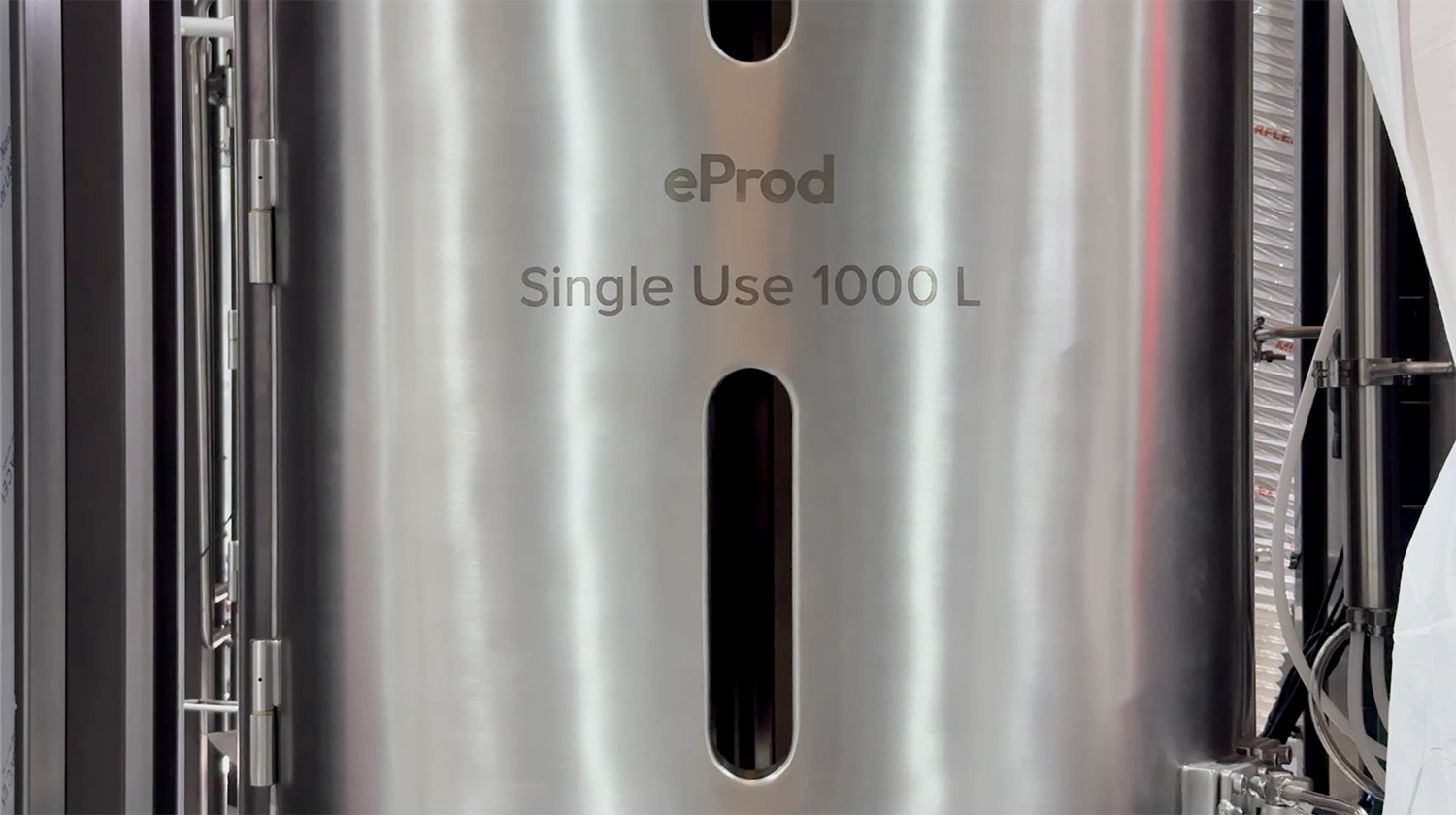
eProd Bioreactor SU is a stirred tank reactor with a single-use bag (eBAG 3D STR), designed for cell culture and microbial fermentation processes at 300 L and 1000 L scales. It combines a stainless steel vessel with a jacket for thermal control, mechanical agitation and an automation system geared towards operation and traceability.

System architecture and subsystems
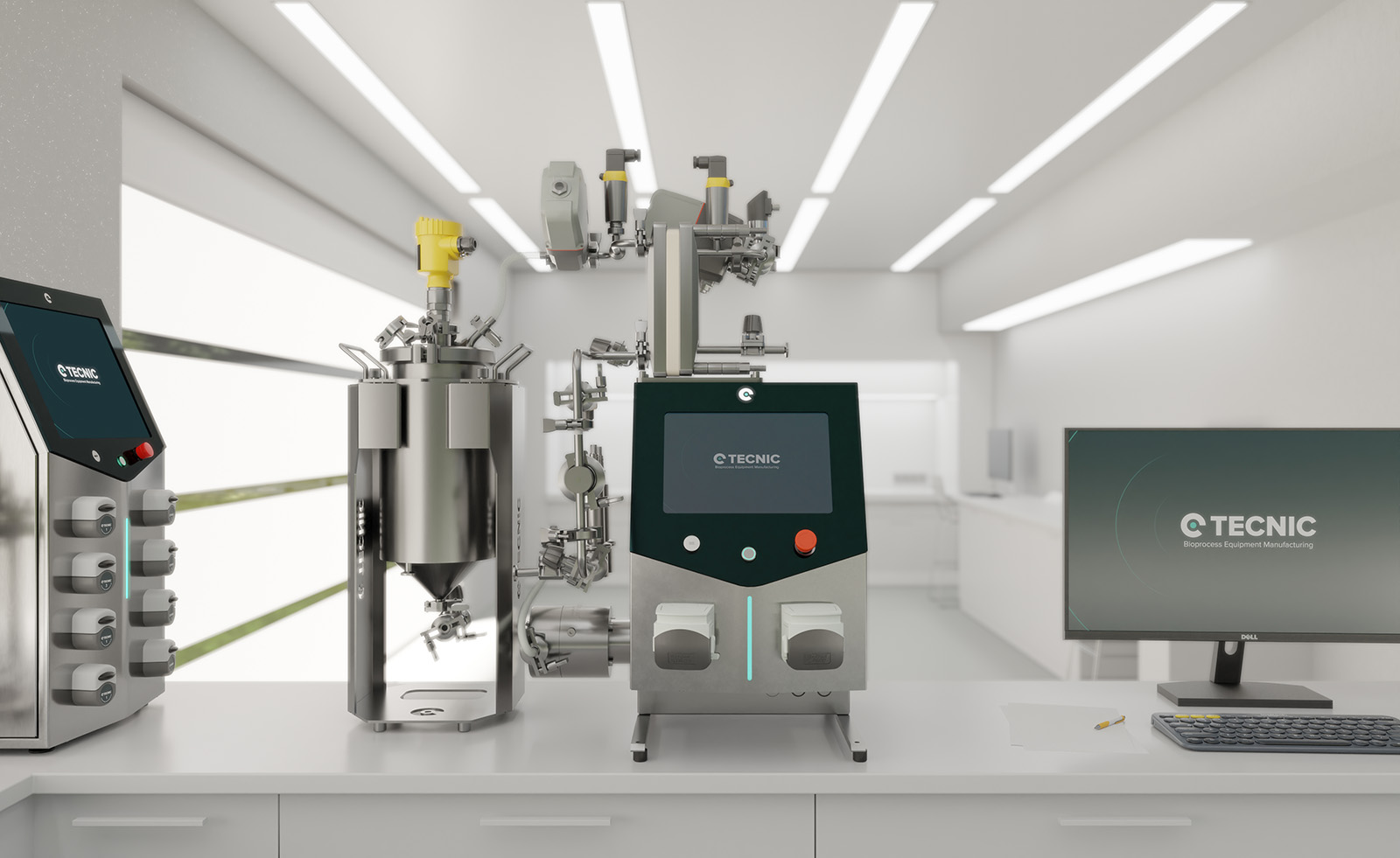
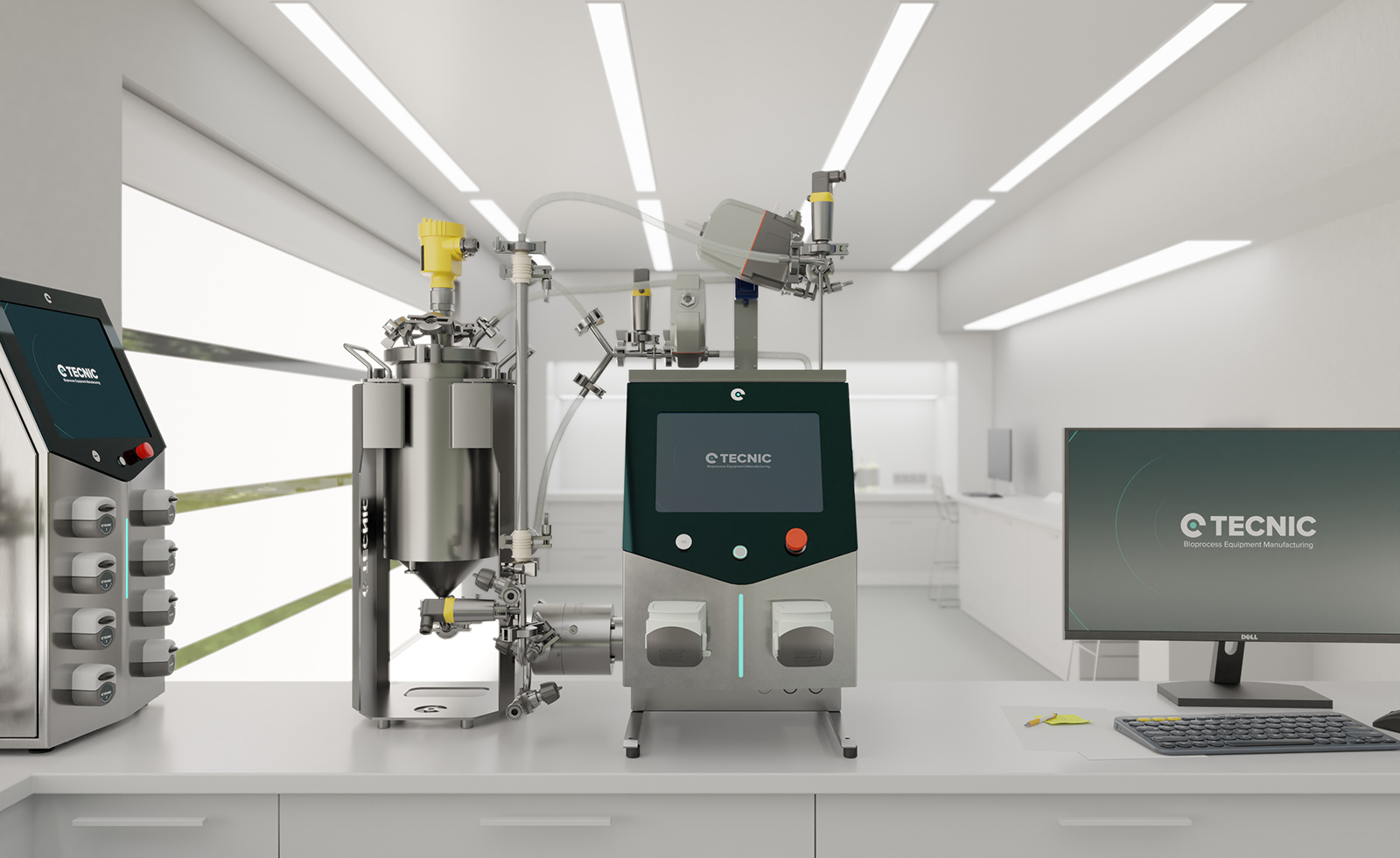
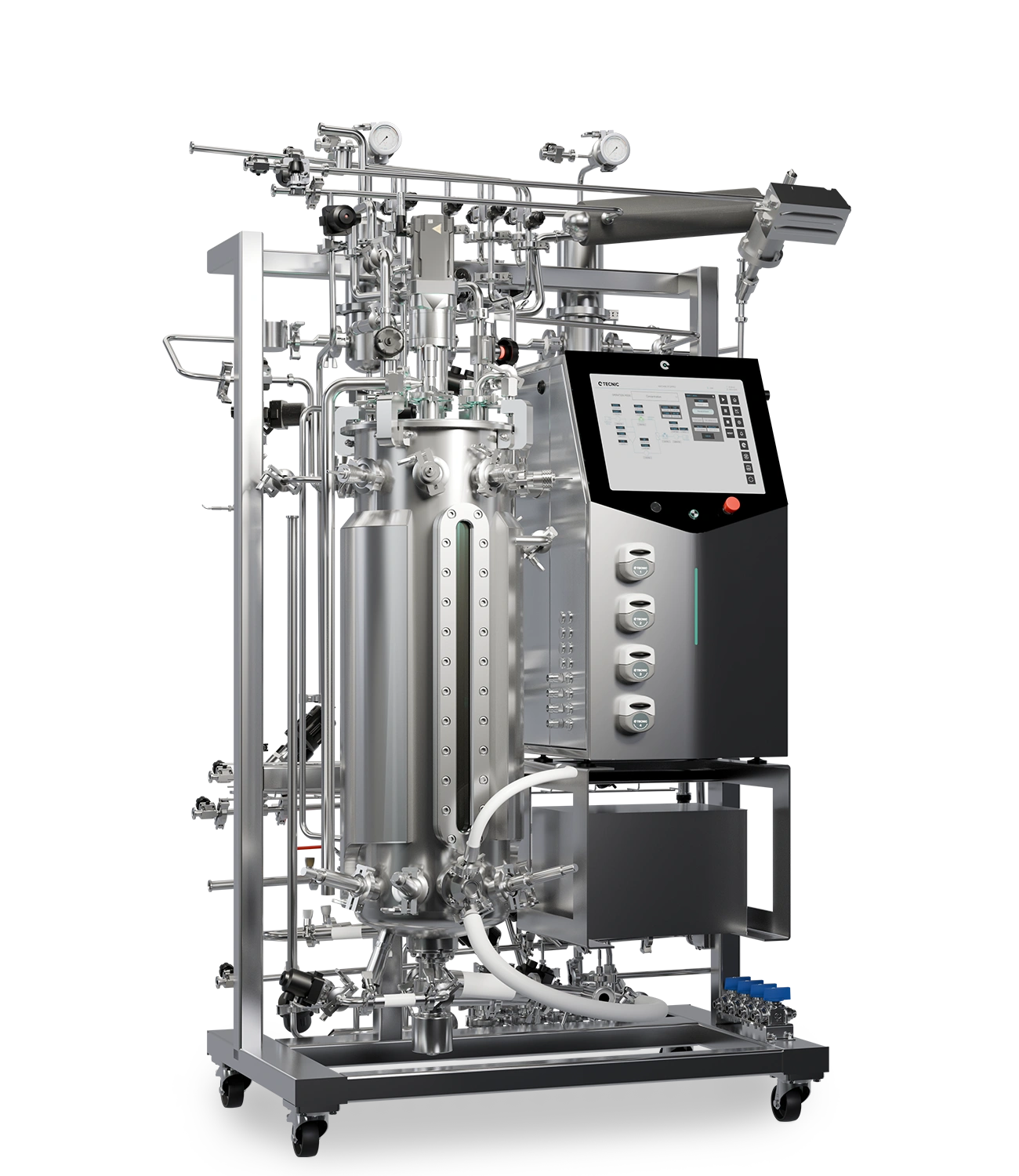
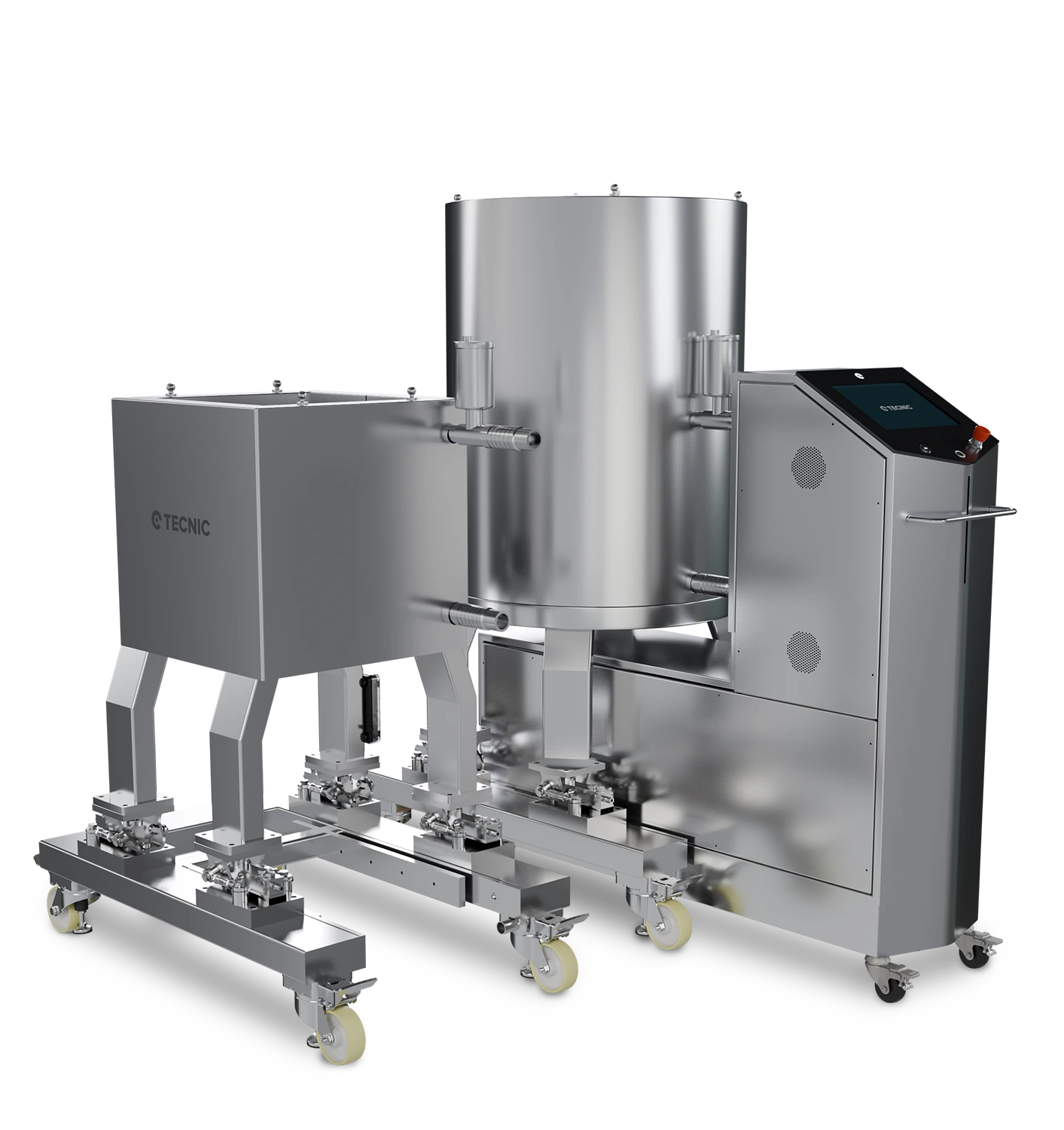
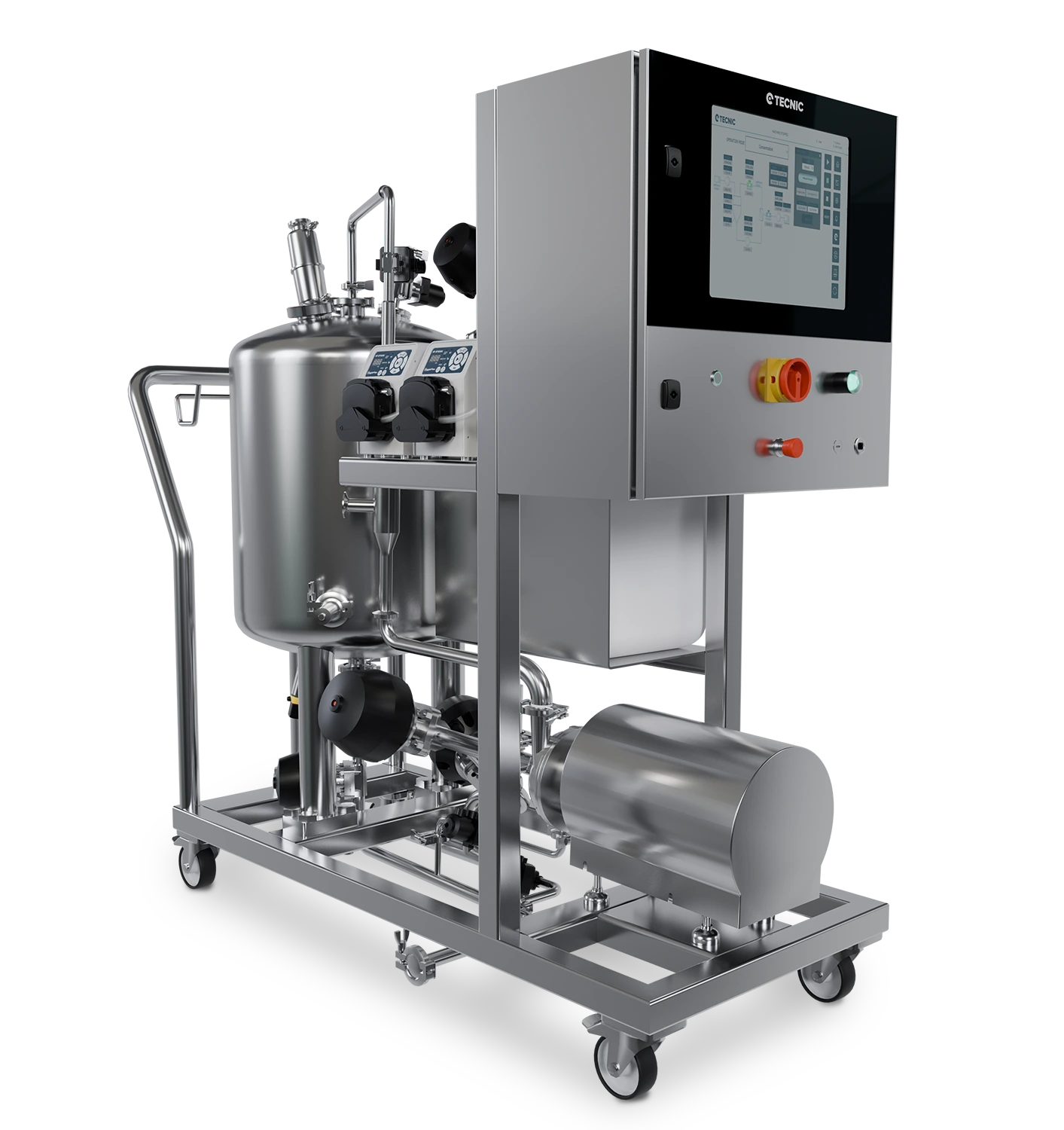
The eProd Bioreactor SU is based on a modular platform consisting of a jacketed tank and single-use eBag 3D STR, a mechanical agitator configurable by culture type, a control unit (DCU) with HMI and integrated peristaltic pumps, and a cooling module chiller for the thermal circuit.
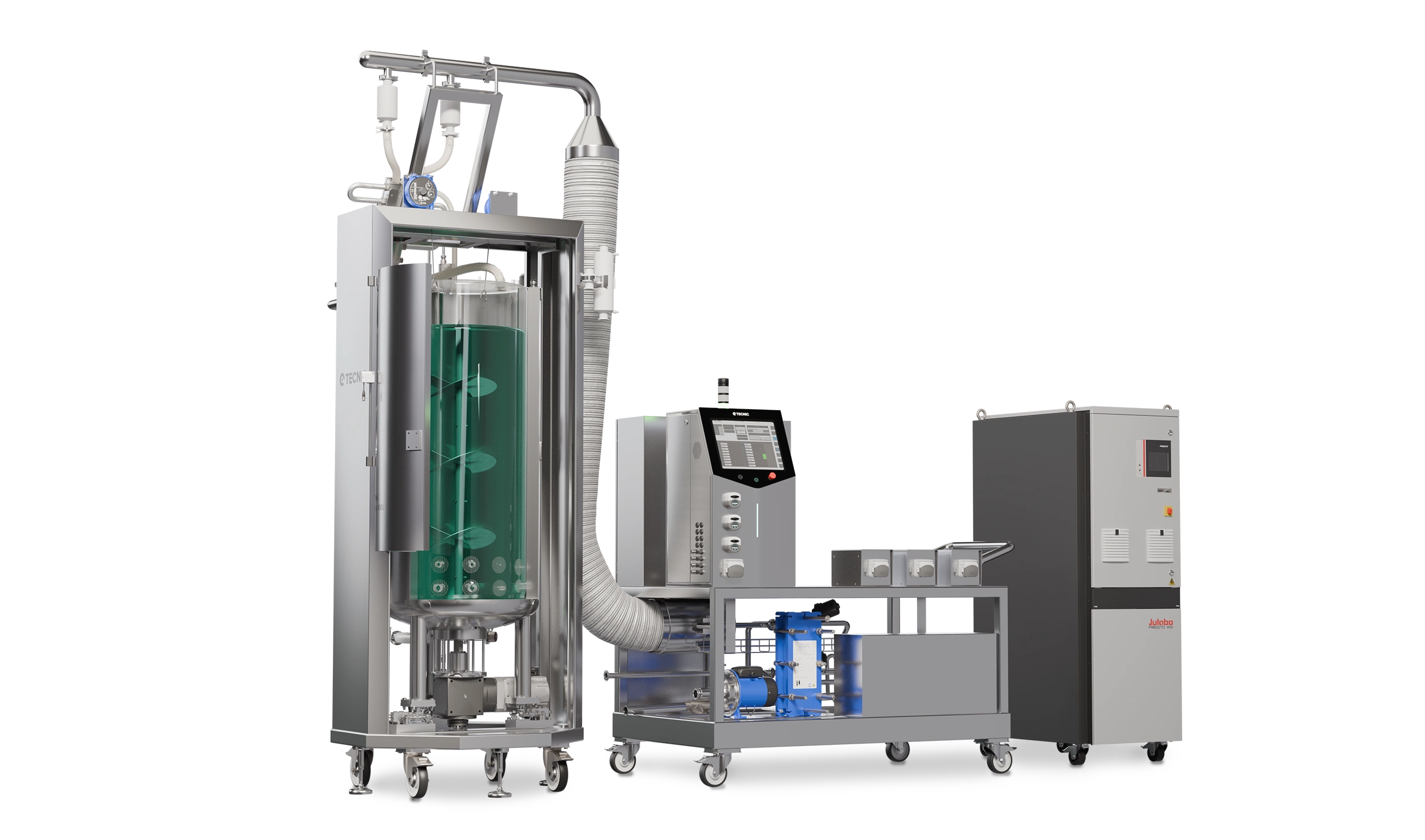
Module
Jacketed tank + eBAG
Function
Single-use process vessel and thermal control
Includes
eBAG 3D STR bag with sensors and filtration, jacketed vessel, bench with wheels and levelling feet.
Module
Agitation
Function
Mixing, gas dispersion and shear control
Includes
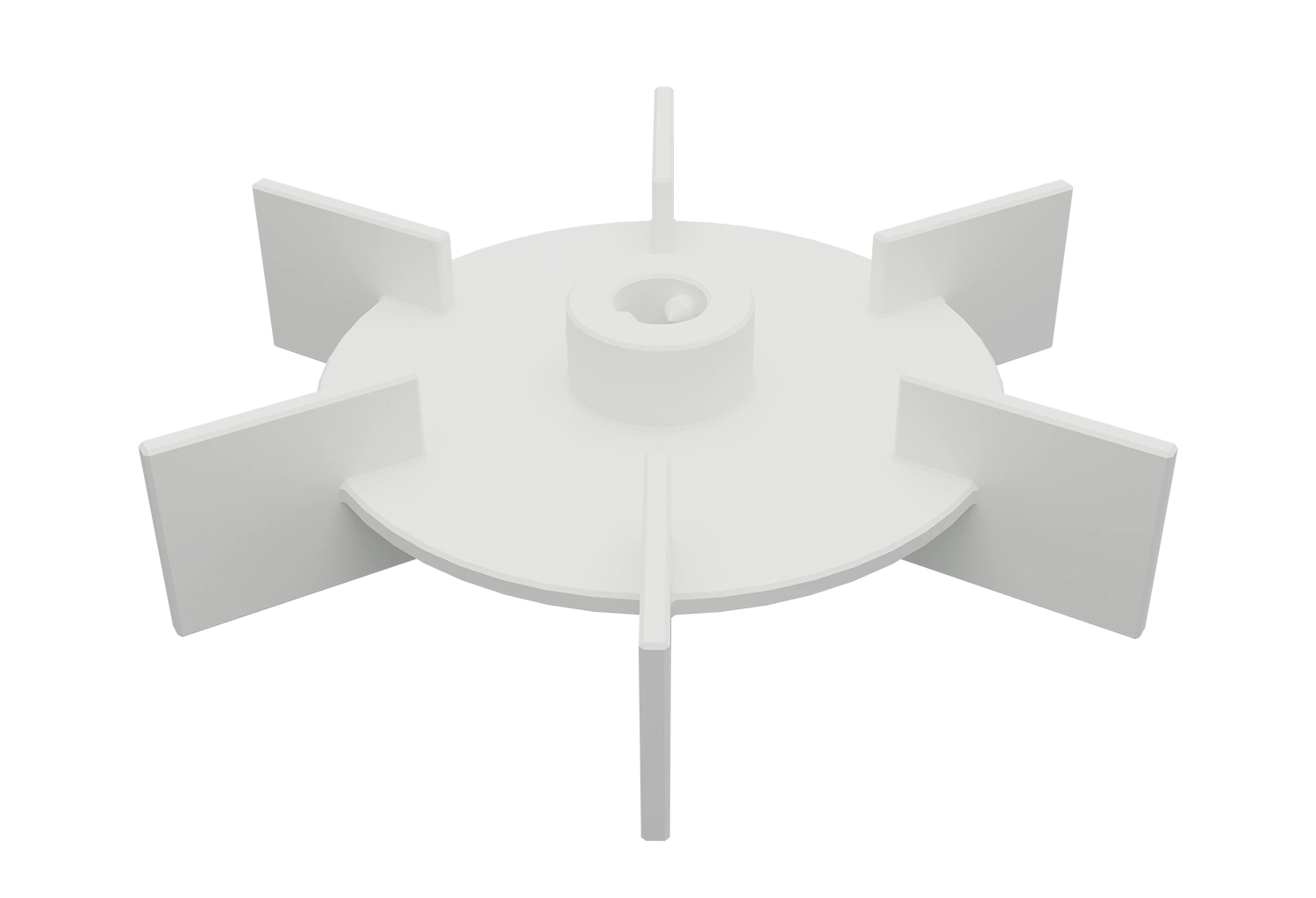
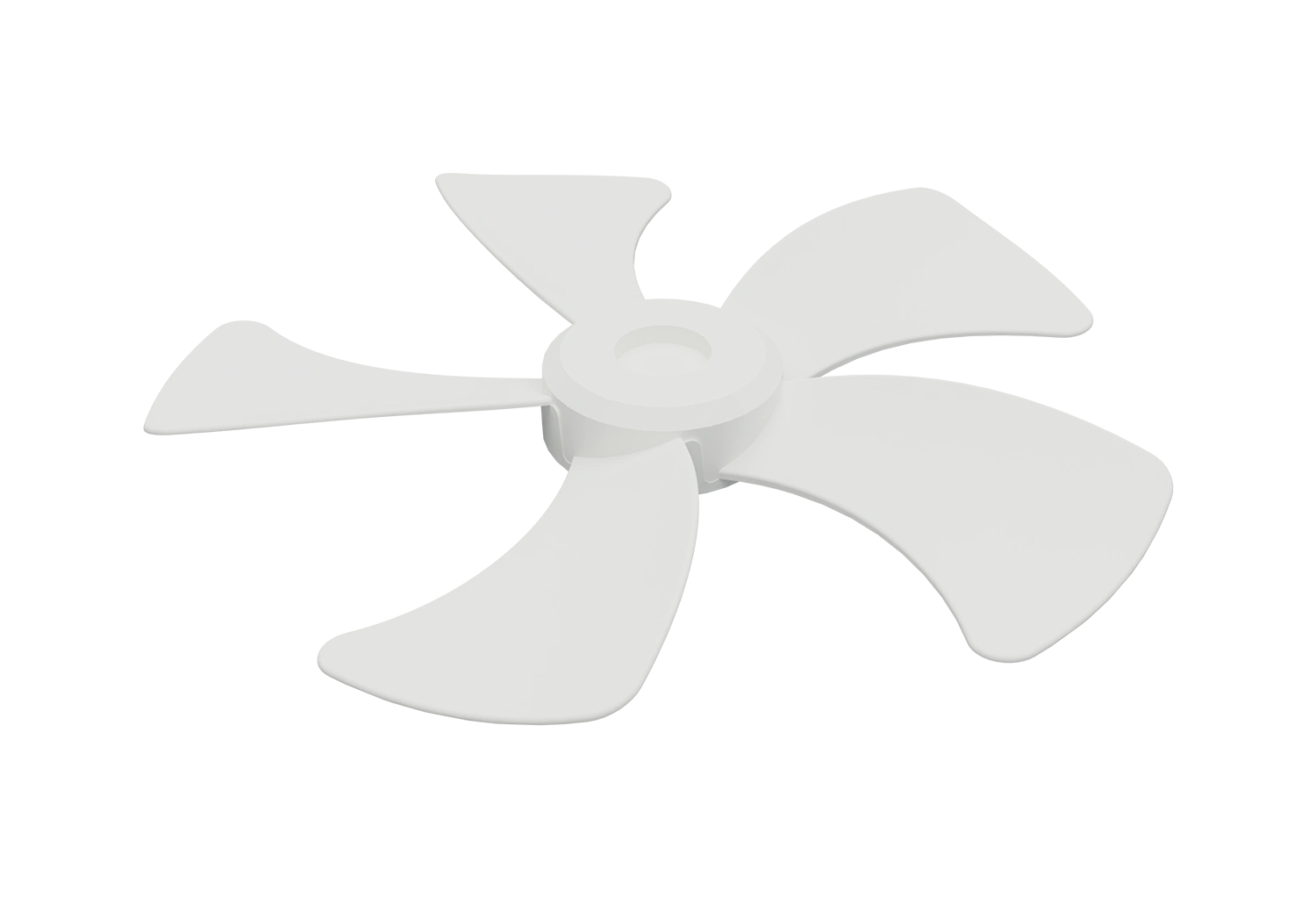
Shaft with 3 impeller levels, Rushton type for microbial mode or pitch-blade type for cellular mode.
Module
DCU + skid
Function
Process automation and utility management
Includes
15" touchscreen HMI, PLC and I/O, integrated peristaltic pumps (acid, base, defoamer, medium), gas conditioning.
Module
Chiller
Function
Thermal circuit cooling and gas condensation support
Includes
Compact unit with thermal circuit connection and electrical protection, depending on configuration.
Scope may vary depending on configuration, application (microbial or cellular) and project requirements.
Performance assessment of single-use bioreactor family
Download the performance assessment of single-use bioreactor family, covering oxygen transfer (kLa), agitation behaviour, scalability across 0.5 L to 1000 L, and FAT-based validation data for temperature and airflow control. A useful technical overview for teams evaluating single-use bioreactor performance in mammalian and microbial processes.
eProd Bioreactor SU
Single use double purpose Bioreactor
eProd Bioreactor SU is a stirred tank reactor with a single-use bag (eBAG 3D STR), designed for cell culture and microbial fermentation processes at 300 L and 1000 L scales. It combines a stainless steel vessel with a jacket for thermal control, mechanical agitation and an automation system geared towards operation and traceability.
Get to know the eProd Single-Use Bioreactor, built for production-scale workflows
Dual-purpose platform (microbial or cell culture)
Reduced batch changeover time
Integrated automation and reporting
Mass and volume measurement with load cells:
Double Purpose - Standard models and capacities
| Model | Application | Working volume | Minimum volume* |
|---|---|---|---|
| eProd Bioreactor SU 300 L | Microbial / Cellular | Up to 300 L | 60 L |
| eProd Bioreactor SU 1000 L | Microbial / Cellular | Up to 1000 L | Consult (depending on configuration) |
Minimum operating volume depends on the geometry and configuration of the bag/impellers.
Main specifications
Below, you can explore the main specifications and key design details of the system, organised by topic for quick review.
Main Configurations
Indicative ranges under reference conditions (aeration, tip speed, impeller/baffle configuration).
Parameter
Agitation range (setpoint)
STR 300 / STR 1000
STR 300: 0–450 rpm
STR 1000: 0–300 rpm
Notes
Recommended speed depends on mode and tip speed / P·V.
Parameter
Gas control
STR 300 / STR 1000
Integrated MFCs (air/O2/CO2 depending on configuration)
Notes
Typical ranges up to 1000 L/min in air.
Parameter
Integrated peristaltic pumps
STR 300 / STR 1000
4× (acid, base, antifoam, medium)
Notes
Assignment depends on configuration.
Parameter
Weighing / volume
STR 300 / STR 1000
Integrated load cells
Notes
Mass control (optional gravimetric).
Parameter
Pressure control
STR 300 / STR 1000
Included
Notes
Depends on venting / filter configuration.
Parameter
Process temperature (bag)
STR 300 / STR 1000
+5 to +40 °C
Notes
eBAG 3D STR bag.
Microbial vs Cellular Performance
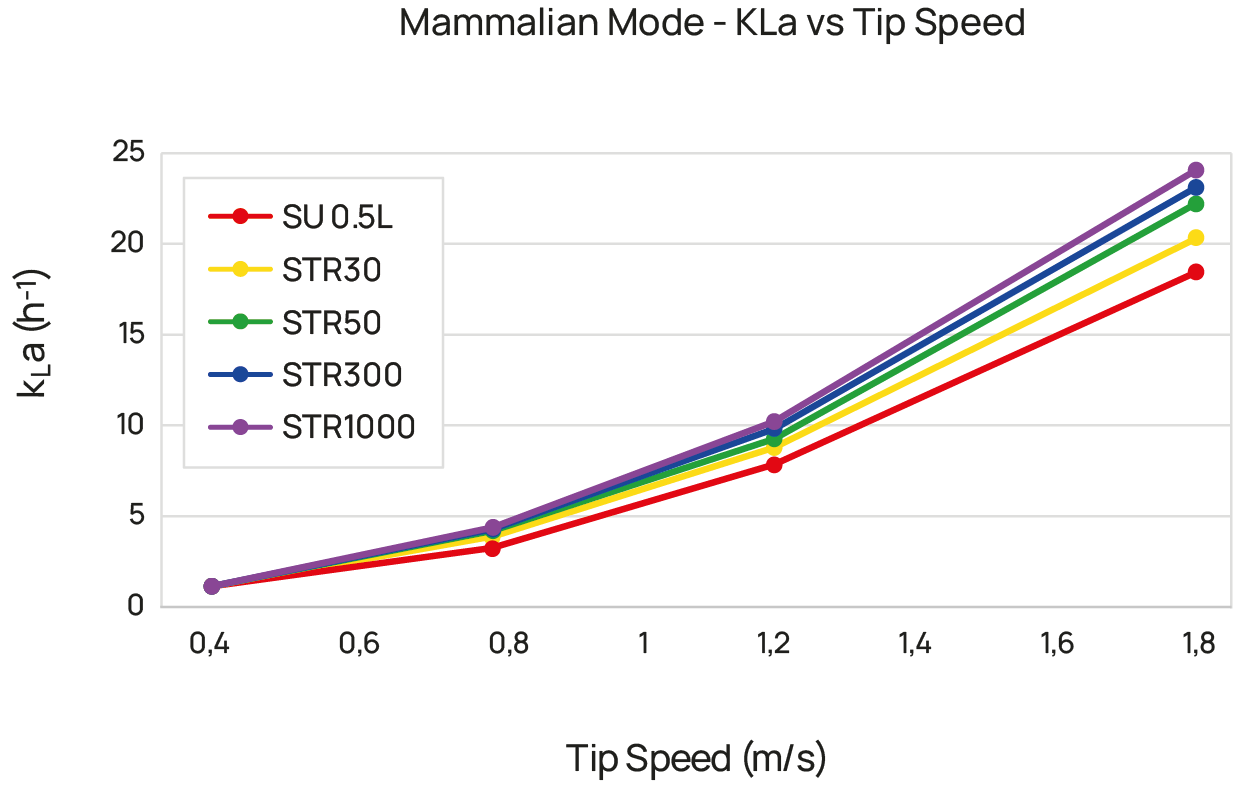
The following ranges are indicative and come from performance evaluations of the TECNIC SUB range under reference conditions (aeration, tip speed and impeller/baffle configuration).
Mode
Cellular (mammalian)
Tip speed (m/s)
1.8–2.0
Aeration (vvm)
0.05–0.15
Typical P/V (W/m³)
80–200
Typical kLa (h⁻¹)
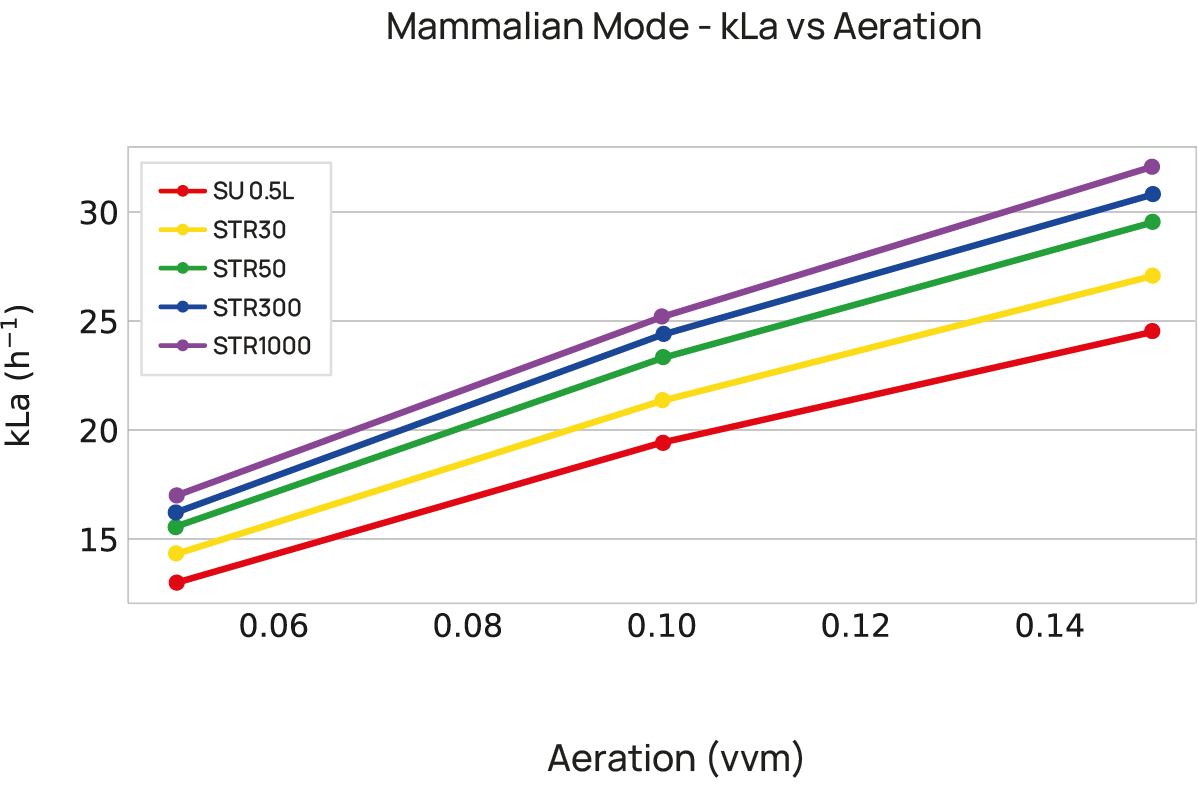
20–30 (gassed)
Mode
Microbial
Tip speed (m/s)
4.5–5.0
Aeration (vvm)
0.4–1.0
Typical P/V (W/m³)
1,000–5,500
Typical kLa (h⁻¹)
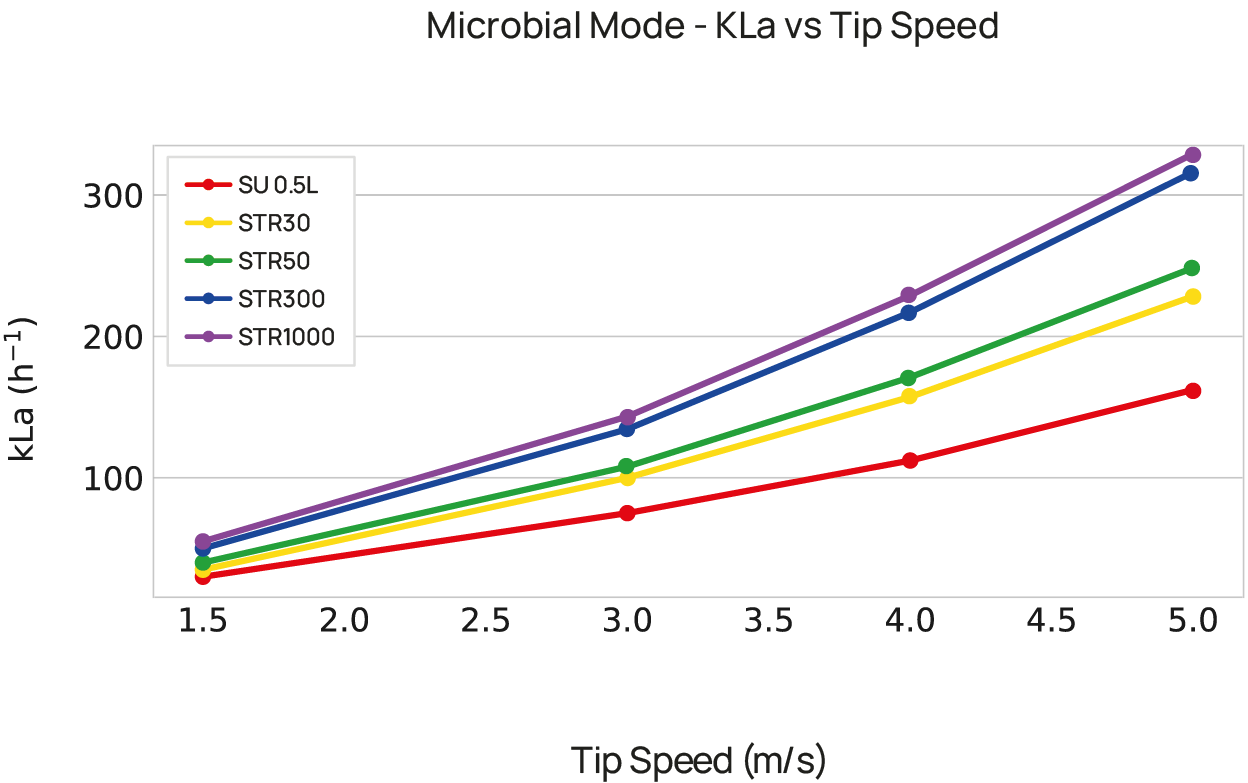
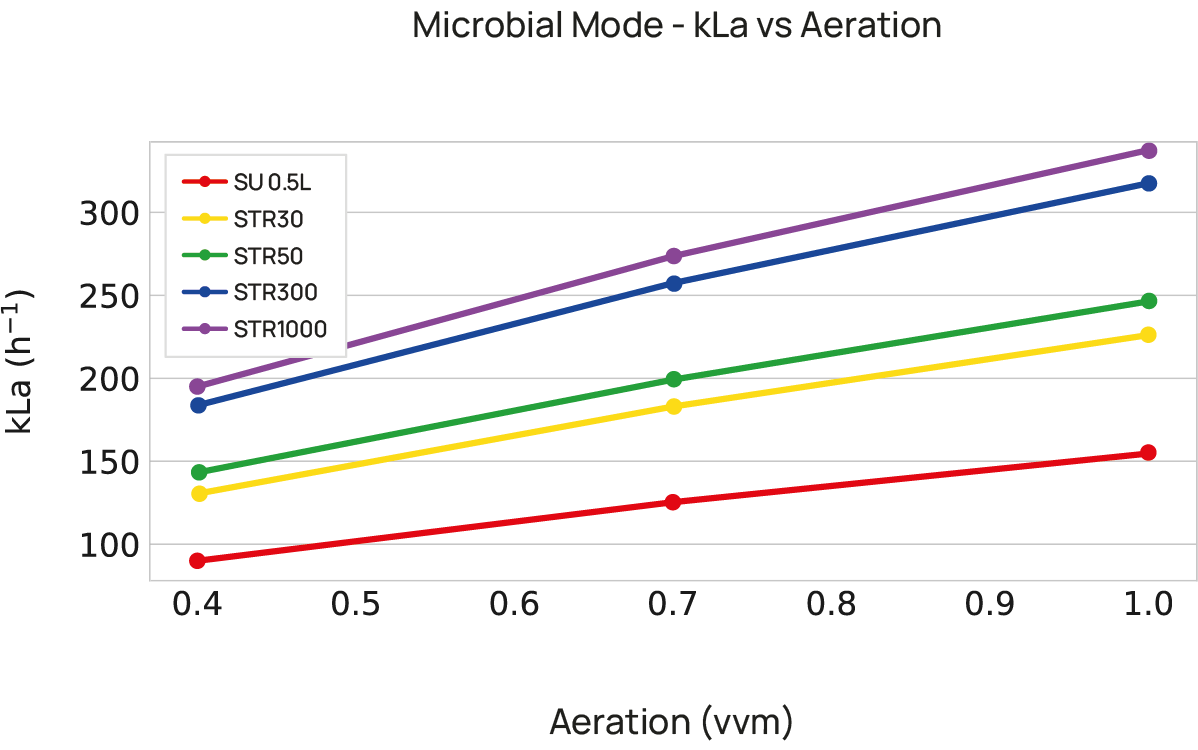
150–330 (gassed)
Figures: kLa as a function of tip speed and aeration (cellular and microbial mode).
Note on productivity: kLa, P/V, aeration window and tip speed help define operating strategies for high-density microbial processes and shear-sensitive cellular processes. Final productivity (e.g., titre or g/L) depends on the cell line/strain and the customer’s process.
Utilities
Typical requirements for installation and operation (indicative values).
Service
Electrical
Typical requirement
400 V + PE, 50 Hz; ~26 kW; ~38 A
Comments
Installation reference values.
Service
Process air
Typical requirement
4 bar(g) at regulator (7 bar upstream)
Comments
For MFC / sparger.
Service
Oxygen (O₂)
Typical requirement
4 bar(g) at regulator (7 bar before)
Comments
Optional, depending on process.
Service
CO₂
Typical requirement
4 bar(g) to regulator (7 bar before)
Comments
Typical in cell culture.
Service
Instrument air (valves)
Typical requirement
4 bar(g) to regulator (7 bar before)
Comments
Pneumatic panel.
Service
Jacket water
Typical requirement
25 L/min; 2.5–3.5 bar; temperature per customer requirements
Comments
Jacket heating/cooling.
Service
Condenser water
Typical requirement
7 L/min; 2.5–3.5 bar; 4–10 °C
Comments
Depending on condenser configuration.
Consumables
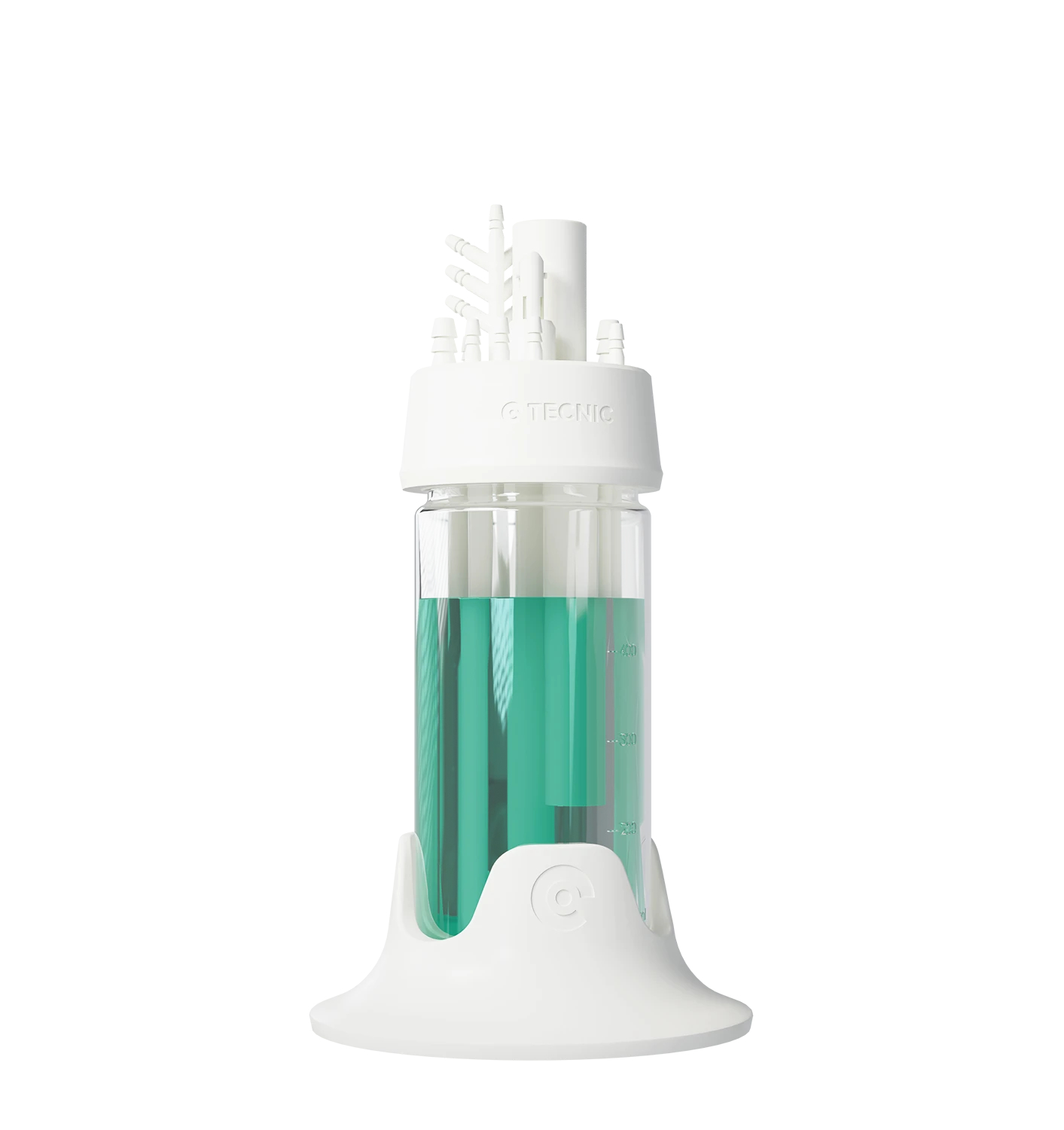
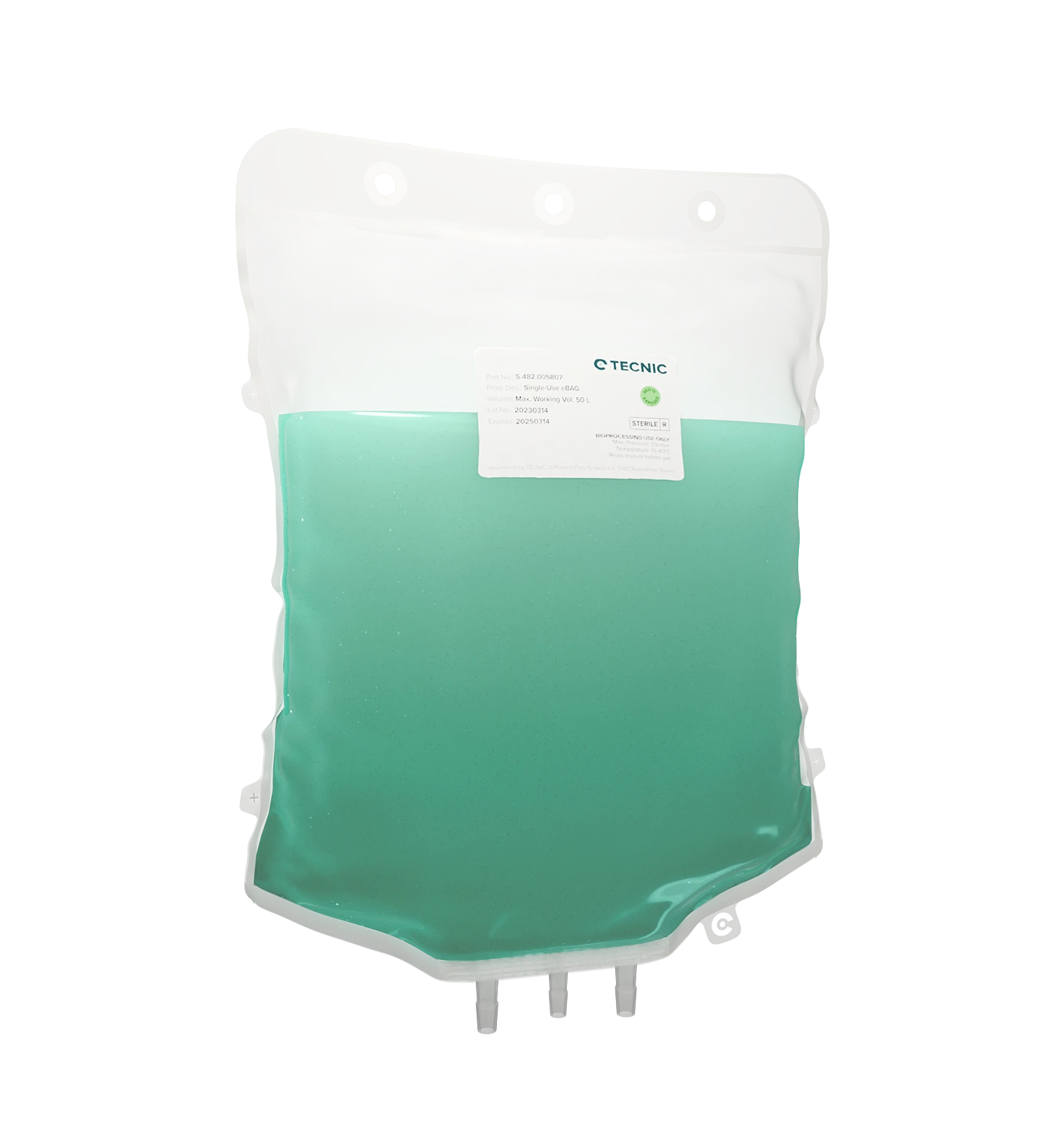
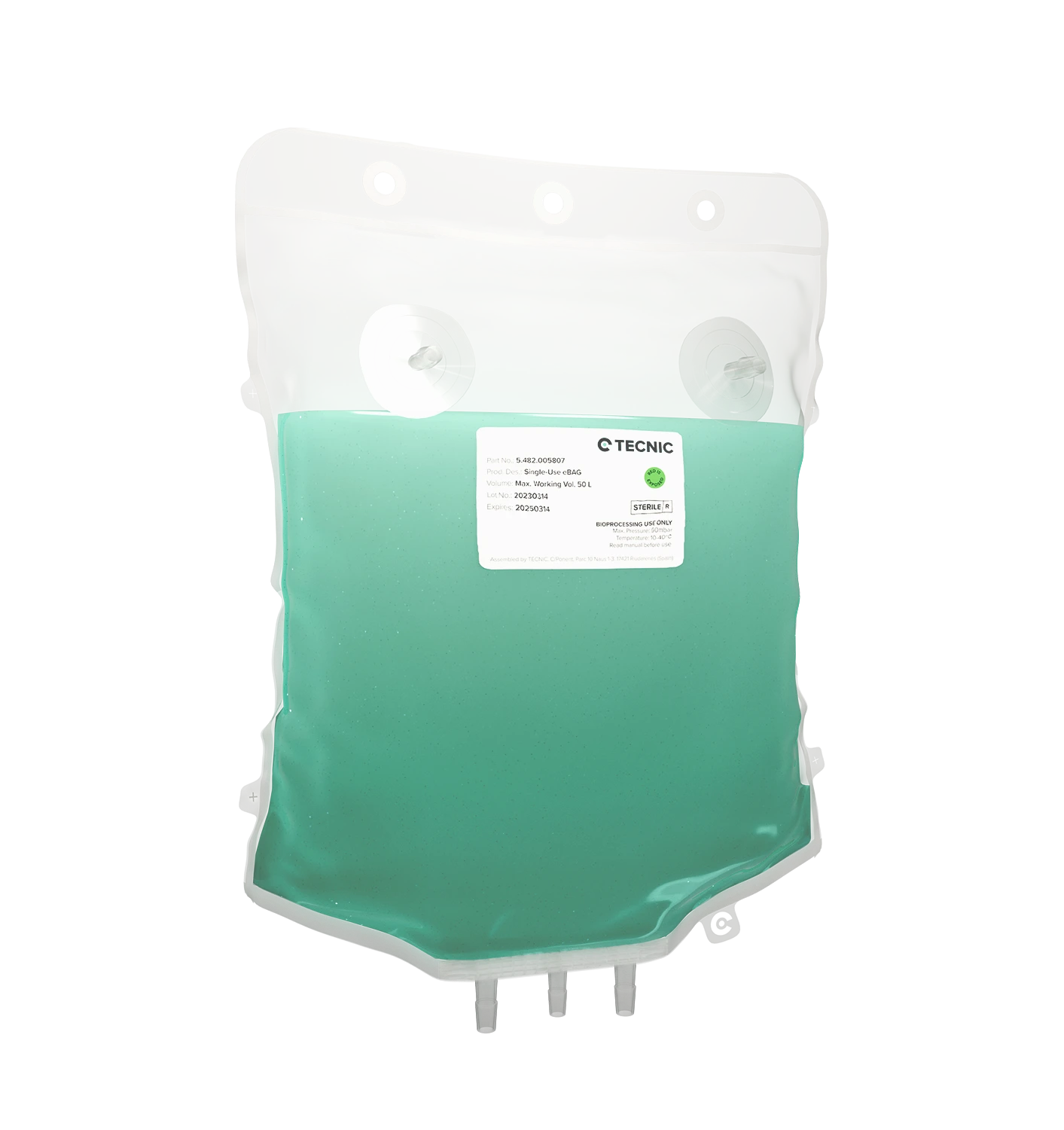
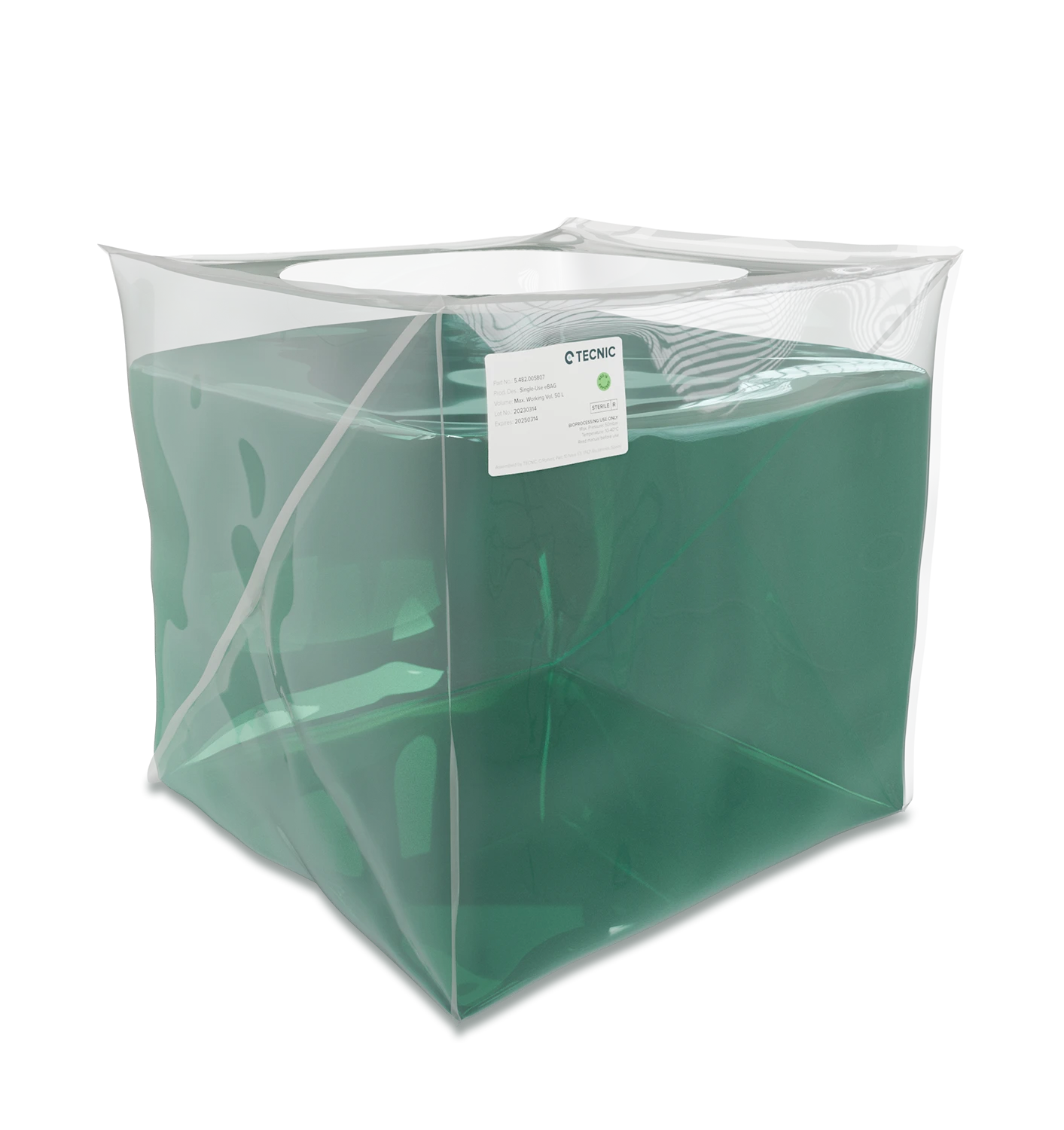
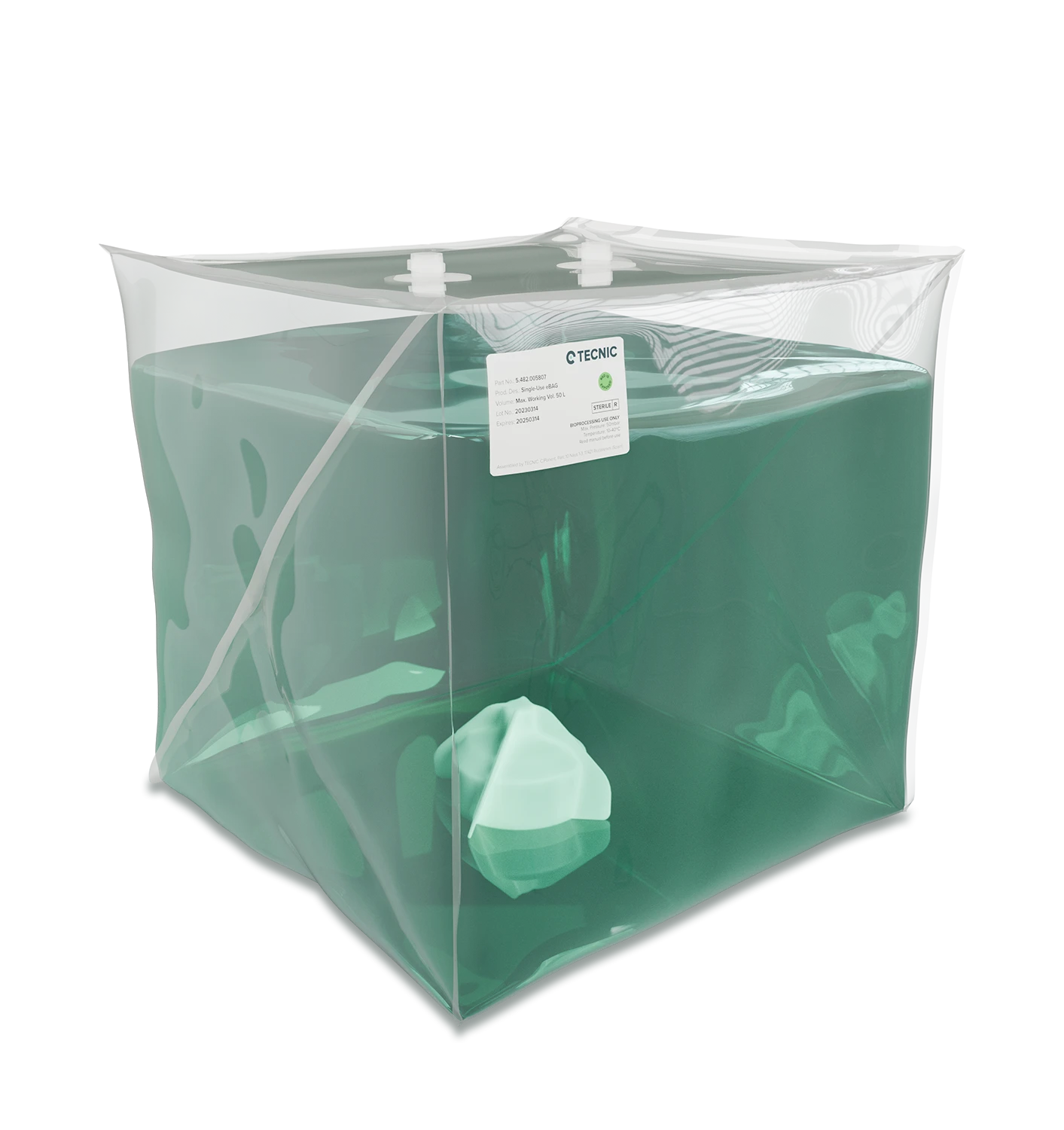
For the 300 L format (microbial and cellular), the eBAG 3D STR includes connections for sensors, sampling, drainage/harvesting, gas inlet to sparger, stirring coupling and addition/transfer lines according to layout.
Key data
Bag specifications (indicative)
Working volume
300 L
Minimum volume
60 L
Headspace (ref.)
72 L
Temperature
+5 to +40 °C
Max. pressure
500 mbar
Bag dimensions
Ø594 × ~1484 mm
Microbial vs cellular details Hardware and gases
The single-use hardware is adapted to the type of culture through the impeller set (shaft plus 3 impellers) and the calibration of maximum MFC flow rates, since microbial mode requires higher air and O₂ demand.
Element
Impellers (3 levels)
Microbial
Rushton, radial flow, high shear
Cellular
Pitch-blade 45°, gentle mixing, axial/radial flow
Element
Baffles
Microbial
Included in microbial configuration (depending on design)
Cellular
Depending on configuration and process
Element
MFC / gases
Microbial
Calibration and maximums geared to higher air and O₂ demand
Cellular
Includes CO₂ for pH control and adjustment (depending on strategy)
Element
Agitation range (setpoint)
Microbial
STR 300: 0–450 rpm, STR 1000: 0–300 rpm
Typical operation, high tip speed
Cellular
STR 300: 0–450 rpm, STR 1000: 0–300 rpm
Typical operation, low tip speed
Reference flow ranges for aeration and gas control. Final values depend on configuration, MFC calibration and the selected control strategy.
Service
Air (sparger)
Typical range
300 L: 20–300 L/min, 1000 L: 20–1000 L/min
Use
Sparger, main aeration
Service
Oxygen (O₂)
Typical range
300 L: 2–30 L/min, 1000 L: 2–100 L/min
Use
Enrichment, DO cascade
Service
Overlay (air or O₂)
Typical range
300 L: 10–150 L/min, 1000 L: 10–500 L/min
Use
Headspace sweep, overlay
Service
CO₂
Typical range
300 L: 2–30 L/min, 1000 L: 2–100 L/min
Use
Cell culture, pH adjustment according to recipe
Note: ranges may vary depending on version, configuration, MFC calibration and control strategy.
Software
• Phase recipes (start, manual, automatic, end) with transitions.
• Time profiles (ramps/stages) for agitation, gas flow rates and control setpoints.
• DO control cascades (air → agitation → O₂) and pH strategies (acid/base or CO₂ depending on mode).
• Data management, trends and report generation; export for traceability.
These features depend on the software version/licence and actuator configuration.
The system includes a touchscreen HMI and local logging for operation, monitoring and traceability. Features may include cascade control, phased recipes, alarm management, trends and data export.
Typical functions (depending on licence/configuration):
• Recipes and profiles: definition of parameters by phases (agitation, temperature, DO, pH, feeds, aeration).
• PID/cascade loop control: pH control using acid/base/CO₂, DO using air/O₂ and agitation.
• Alarm and interlock management: operating limits, minimum volumes for agitation, overpressure protection.
• Trends and history: local storage, export to USB/network in open formats (e.g., CSV) for analysis.
• Reports: generation of batch/run reports and event logs (depending on configuration).